
Commercial Painting Mistakes That Cost Building Owners Money
Painting your commercial building seems straightforward enough. You get some quotes, pick someone, and a few weeks later you have fresh walls. But somewhere between the bid and the final walk-through, things can go sideways in ways that hit your budget hard.
Key Takeaways
The most expensive commercial painting mistakes aren’t always obvious. Poor surface preparation, choosing contractors based solely on price, ignoring moisture problems, and skipping proper planning can double or triple your actual costs when you factor in premature failure and redo work. Most commercial buildings need exterior repainting every 3 to 5 years and interior touch-ups every 2 to 4 years. But when mistakes happen, you might be repainting in half that time.
Choosing Your Contractor Based Only on Price
Here’s the thing about low bids. They’re tempting. Really tempting. Your CFO sees that number and thinks you’re a hero for finding such a good deal.
Then reality sets in.
A contractor who comes in 25% below everyone else is making cuts somewhere. Maybe they’re using residential-grade crews for a commercial project. Maybe their “experienced” foreman has been painting houses for six months. The hidden costs of low-bid contractors include change orders, project delays, safety incidents, and work that fails inspection.
I’ve seen facility managers get burned by this. The low bidder starts the job, realizes they underbid, and suddenly you’re getting change orders for “unforeseen” conditions that any experienced contractor would have spotted during the initial assessment. Or worse, they cut corners on prep work and materials to make their numbers work.
What actually matters: Look at the contractor’s commercial portfolio. Ask about their crew’s experience with buildings like yours. Check their insurance and certifications. A detailed bid that accounts for proper surface preparation, quality materials, and realistic timelines usually costs more upfront but saves you money over the paint’s lifecycle.
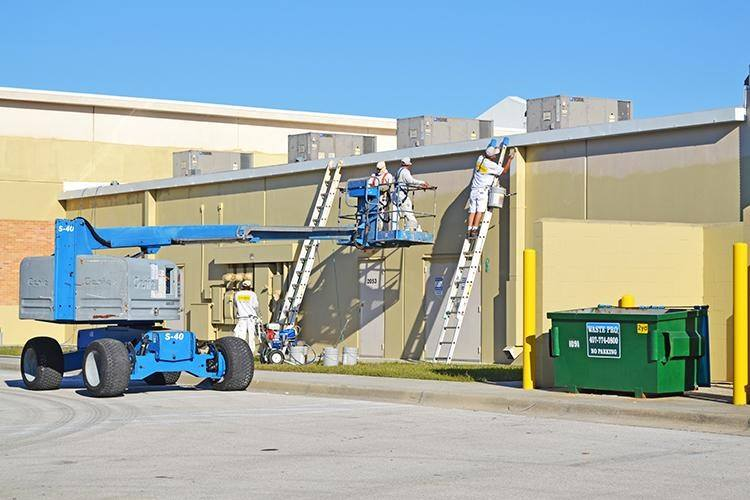
Skipping Proper Surface Preparation
This is probably the biggest money pit in commercial painting. According to building coating standards, inadequate surface preparation is a primary source of coating failure. Paint doesn’t stick to dirty walls, loose coatings, or moisture-damaged substrates.
Proper prep work takes time. For commercial projects, this means:
- Power washing or chemical cleaning to remove contaminants
- Scraping and sanding loose or failing paint
- Repairing damaged surfaces (cracks, spalling concrete, rotted wood)
- Priming appropriately for the substrate and coating system
- Allowing surfaces to dry completely before painting
Some contractors skip these steps because they’re labor-intensive and not glamorous. But painting over problems just hides them temporarily. Within months, you’ll see peeling, bubbling, or flaking. Then you’re paying for the whole job again.
The cost difference between doing prep right versus rushing through it might be 20% more on the front end. But premature paint failure means you’re repainting in 2 years instead of 5 years, which more than doubles your long-term costs.
Ignoring Moisture and Water Damage Issues
Moisture is the number one enemy of paint systems. Full stop.
Commercial buildings deal with moisture from multiple sources. Roof leaks, plumbing issues, poor drainage, condensation from HVAC systems, and Florida’s humidity (for those of us dealing with that climate) all create problems. When you paint over moisture-damaged surfaces without fixing the root cause, you’re throwing money away.
Paint failures from moisture show up as:
- Blistering or bubbling
- Peeling, especially around joints and seams
- Discoloration and staining
- Mold and mildew growth
- Efflorescence (white crystalline deposits) on masonry
Before any paint touches your walls, someone needs to identify and fix moisture sources. This might mean repairing the building envelope, improving ventilation, fixing drainage issues, or waterproofing problematic areas. Yes, this adds to your project scope. But painting without addressing moisture is like putting a bandaid on a broken bone.
A building science approach looks at the whole system, not just the surface you’re painting. That’s the difference between a paint job that lasts and one that fails within the first year.
Using the Wrong Paint Specifications
Not all paints are created equal, and using the wrong product for your application wastes money in multiple ways.
Commercial buildings face different challenges than homes. High-traffic areas need durable, scrubbable finishes. Exterior walls in coastal areas need coatings that resist salt and moisture. Industrial facilities might need chemical-resistant or antimicrobial coatings. Schools and healthcare facilities have specific requirements for safety and cleanability.
Common specification mistakes include:
- Using interior paint on exterior surfaces
- Choosing a finish that won’t hold up to traffic and cleaning
- Skipping specialty primers for challenging substrates
- Selecting products incompatible with existing coatings
- Ignoring environmental factors like UV exposure, temperature swings, and moisture
Cheap paint seems like a cost-saver until it fades, chalks, or wears through in high-traffic areas within the first year. Premium commercial-grade coatings cost more per gallon but provide better coverage, durability, and longevity. They also often require fewer coats, which saves on labor.
Poor Project Planning and Timing
Rushed projects lead to expensive mistakes. Period.
Commercial painting projects need coordination with your operations, other contractors, weather conditions, and material lead times. Failing to plan properly creates disruption, delays, and cost overruns.
Planning failures that cost money:
Painting during the wrong season or in unsuitable weather conditions (too hot, too cold, too humid) affects how paint cures and performs. Florida facility managers know that painting during summer afternoon thunderstorms is asking for trouble. Temperature and humidity during application and curing directly impact adhesion and durability.
Not accounting for building occupancy and operations leads to complaints, lost productivity, and sometimes having to redo work during off-hours at premium rates. Schools that paint during the semester instead of summer break deal with ventilation concerns and disruption. Medical facilities need even more careful coordination to maintain operations and air quality.
Failing to schedule adequate time for each phase means contractors rush, skip steps, or apply subsequent coats before previous ones have properly cured. This compromises the entire system.
Neglecting to Document Existing Conditions
Before any work starts, document everything. I mean everything. Photos, notes about existing damage, detailed condition assessments. This protects both you and the contractor and prevents disputes about scope changes.
Building owners who skip this step often end up in disagreements about whether damage was pre-existing or caused during the project. Was that crack there before? Did the moisture staining look like that originally? Without documentation, you’re arguing from memory against someone else’s memory.
A thorough pre-project inspection should identify:
- Areas of previous coating failure
- Substrate damage requiring repair
- Moisture problems and their sources
- Lead paint or other hazardous materials
- Structural issues affecting the painting scope
This documentation informs accurate bidding, prevents surprise change orders, and creates a baseline for evaluating the contractor’s work quality.
Skipping Regular Inspections During the Project
You wouldn’t pay a contractor for roofing work without checking that the roof was actually installed correctly. Same principle applies to painting.
Regular inspections catch problems while they’re still fixable. Once paint dries and the contractor has moved on, addressing quality issues becomes expensive and contentious.
What to inspect:
- Surface preparation before any paint is applied
- Proper masking and protection of adjacent surfaces
- Application methods and coating thickness
- Coverage and color consistency
- Proper number of coats as specified
- Cleanup and final touches
Many facility managers assume they don’t have the expertise to evaluate painting work. But you don’t need to be a coatings expert to spot obvious problems like uneven coverage, drips, or surfaces that weren’t properly prepped. Bring in a knowledgeable third party if needed.
The cost of catching a mistake early (having them redo one wall) is trivial compared to discovering widespread problems after the contractor has finished and demobilized.
Not Considering Lifecycle Costs
Building owners often focus on upfront costs while ignoring the total cost of ownership. This is backwards thinking that actually costs more.
A premium coating system that costs 30% more upfront but lasts twice as long saves money. Factor in the reduced frequency of repainting, lower maintenance costs, and avoided disruption to operations. According to coating industry research, selecting appropriate coating systems for your environment directly affects lifecycle maintenance costs, with annual maintenance being far less expensive than major repairs or premature replacement.
Questions to ask when evaluating bids:
- What’s the expected lifespan of the proposed coating system?
- What maintenance will be required during that lifespan?
- How does the warranty compare between options?
- What’s the total cost per year of service, not just initial cost?
Some coating systems come with warranties of 5, 10, or even 15 years when applied properly. That warranty has value. It means you’re not budgeting for another repaint next year when something fails.
Failing to Address Code and Compliance Issues
Commercial buildings must meet various codes and regulations. Painting projects that ignore these requirements lead to failed inspections, fines, and expensive remediation.
Common compliance issues include:
Fire-rated assemblies: Many commercial walls, ceilings, and structural elements have fire ratings that must be maintained. Using the wrong paint can void those ratings. Your paint contractor should know which products maintain fire ratings and how to apply them correctly.
Lead paint abatement: Older commercial buildings likely contain lead paint. Disturbing it requires specific containment, removal, and disposal procedures. The contractor needs proper certifications and insurance for lead work. Skipping this to save money creates massive liability.
VOC limits: Many jurisdictions restrict volatile organic compounds in paints and coatings. Using non-compliant products can result in violations. Low-VOC and zero-VOC options exist for virtually every application now.
Accessibility requirements: In occupied buildings, maintaining accessibility during construction is often mandatory. Your painting contractor’s plans need to account for this.
Fixing compliance violations after the fact costs significantly more than doing it right initially. Don’t assume your contractor knows all applicable codes. Verify their knowledge and include compliance requirements explicitly in your contract.
Ignoring Maintenance Planning
Your paint job isn’t finished when the contractor packs up. Commercial buildings need ongoing maintenance to maximize coating lifespan and catch small problems before they become big ones.
Facility managers who treat painting as “one and done” end up repainting more frequently and at higher cost. A maintenance plan extends your investment and gives you predictable budgeting.
A basic commercial paint maintenance plan includes:
- Regular inspections (annually at minimum)
- Prompt repair of minor damage
- Cleaning of painted surfaces as needed
- Touch-up painting in high-wear areas
- Tracking of coating condition over time
Most commercial building interiors need attention every 2 to 4 years, while exteriors typically require work every 3 to 5 years. But with good maintenance, you can extend these intervals and reduce the scope of work needed when you do repaint.
Think of it like maintaining your HVAC system. Regular filter changes and tune-ups cost less than replacing the entire unit when it fails from neglect.
The Real Cost of Cutting Corners
Here’s what actually happens when you make these mistakes. You save maybe 15-20% on the initial project by choosing the low bidder, using cheaper materials, or skipping proper prep.
Then within 18 months, the paint starts failing. You call the contractor back, but they’re either gone or claim it’s not their problem. Now you’re paying for remediation of the failed coating, proper surface preparation that should have been done the first time, and a complete repaint.
Your total cost ends up being 150-200% of what you would have paid to do it right initially. Plus you deal with the operational disruption twice instead of once.
The facility managers who get the best value from painting projects are the ones who:
- Focus on contractor qualifications, not just bid price
- Insist on proper surface preparation and moisture remediation
- Specify appropriate materials for their specific conditions
- Plan projects thoroughly around building operations
- Maintain regular inspection and maintenance schedules
- Think in terms of lifecycle costs, not just initial outlay
Commercial painting done right is an investment in your building’s protection and presentation. Done wrong, it’s an expensive recurring headache. The difference usually comes down to making informed decisions rather than reactive ones based purely on price.
Your building deserves better than the cheapest option. It deserves the right option.


